

Buying art and collectibles on Juuhudi
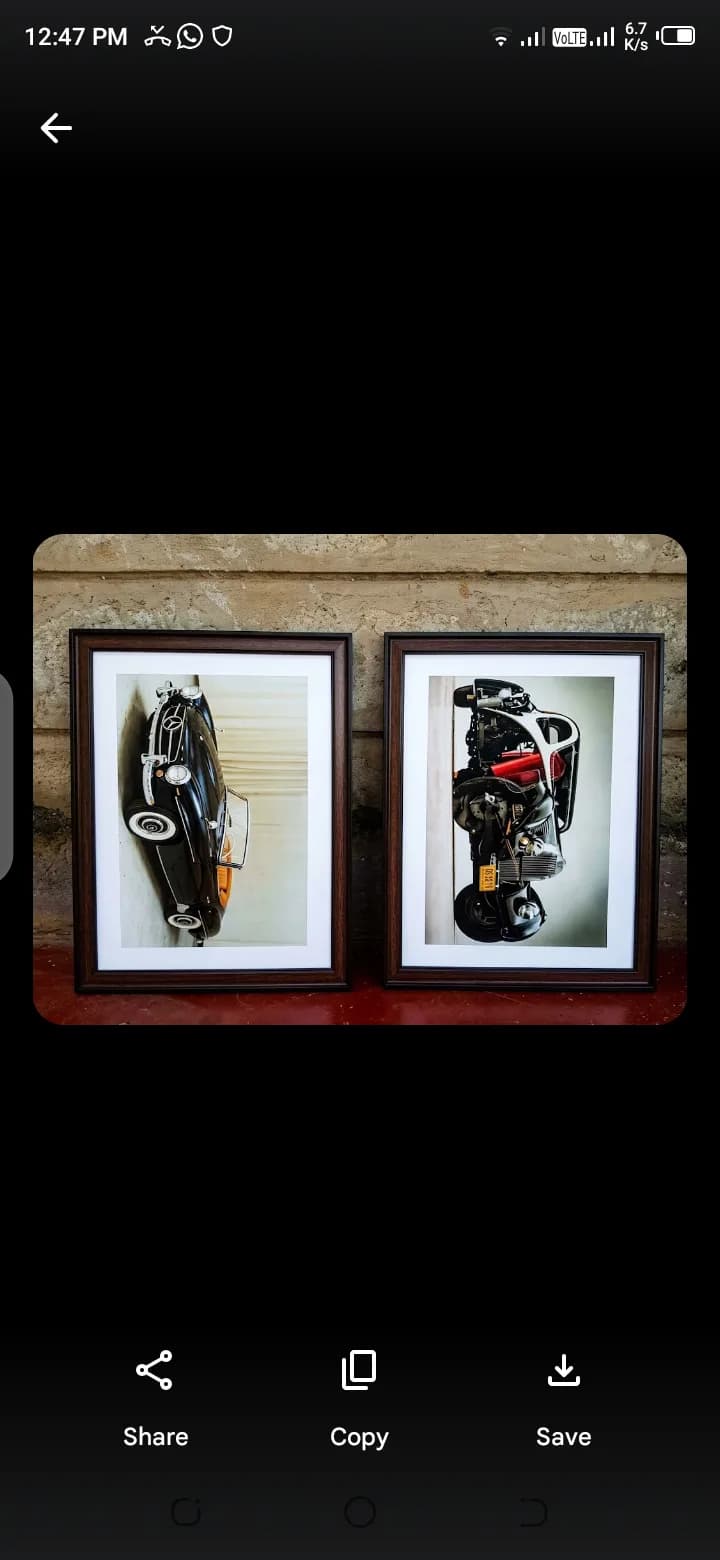
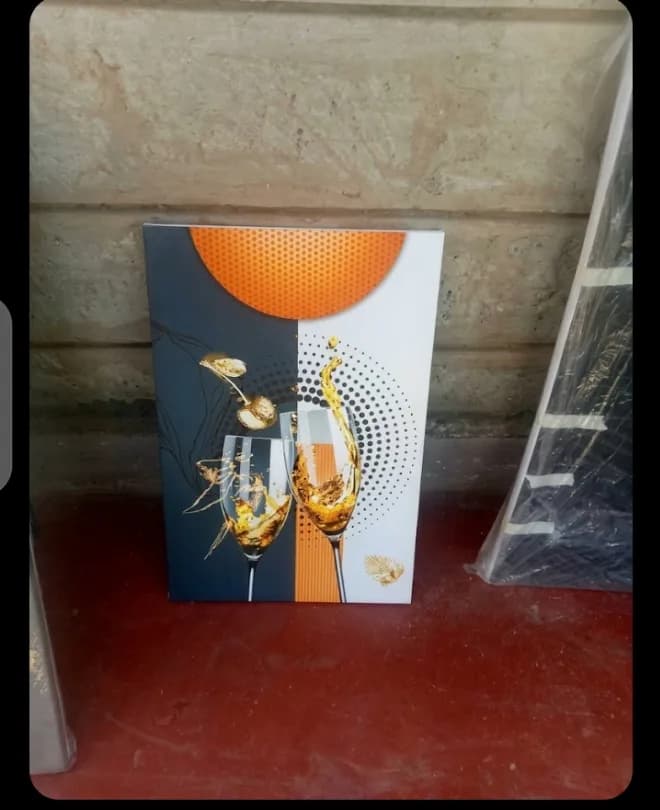
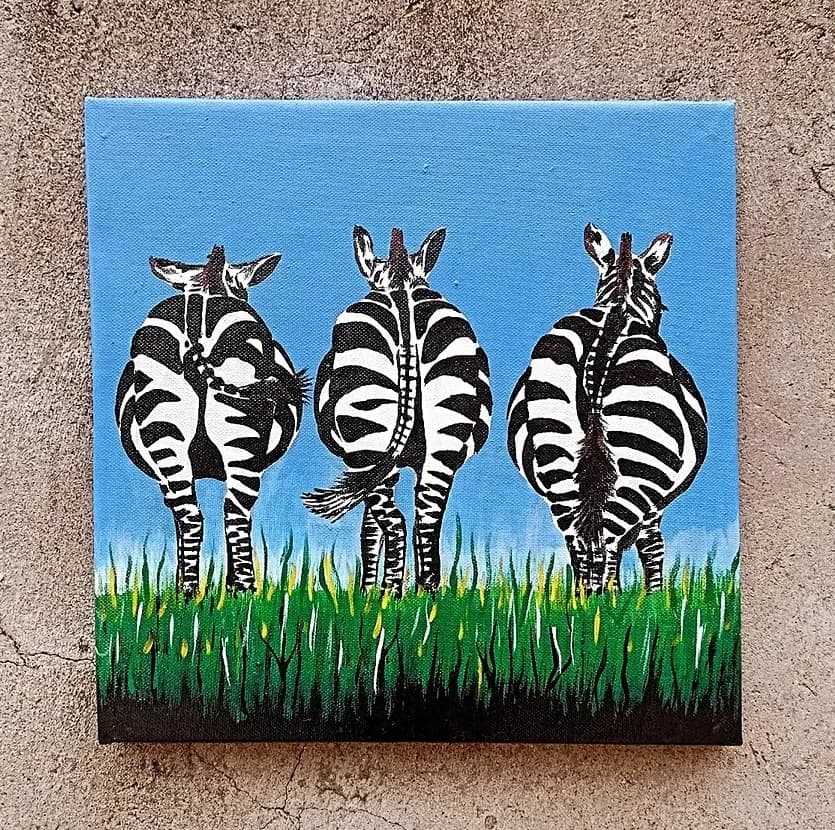
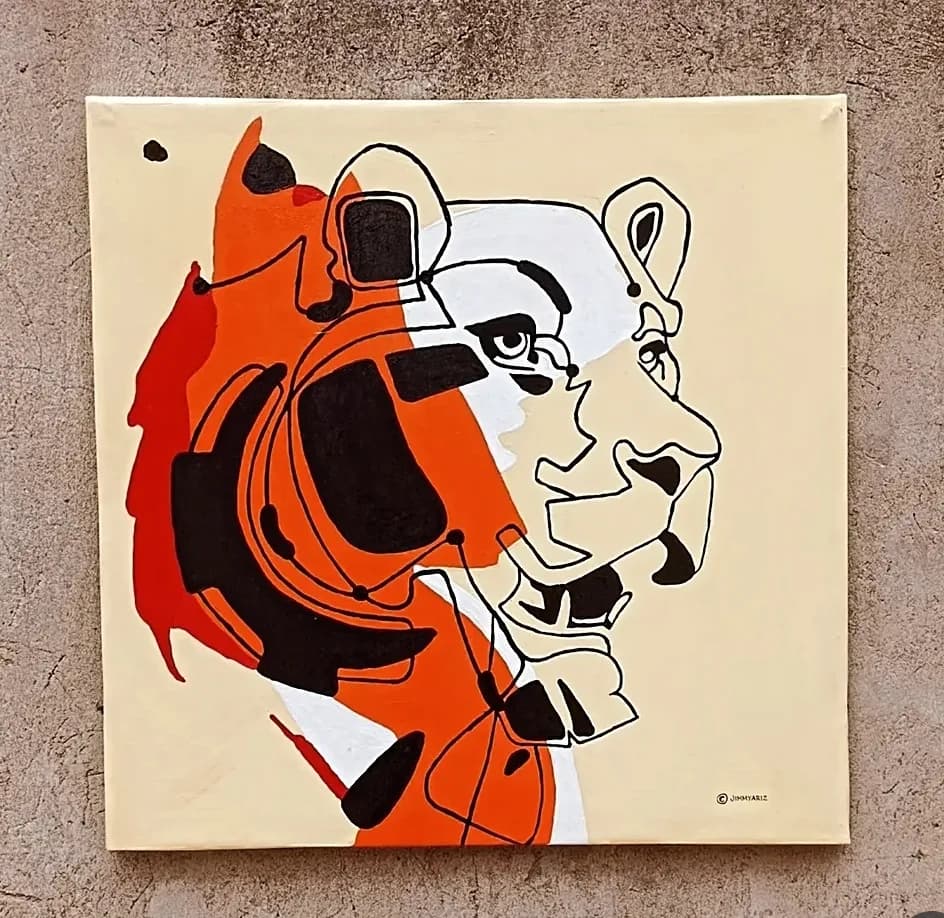
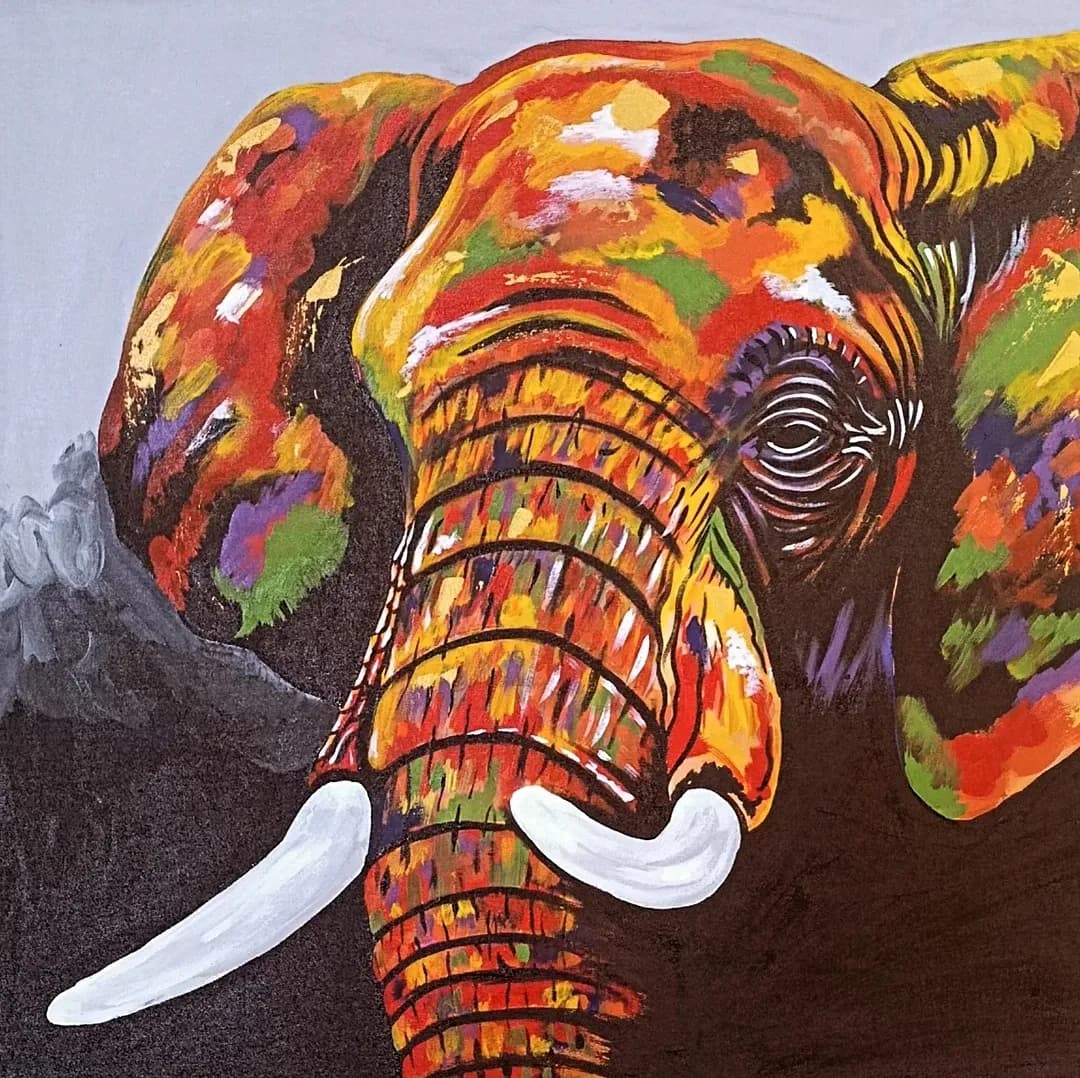
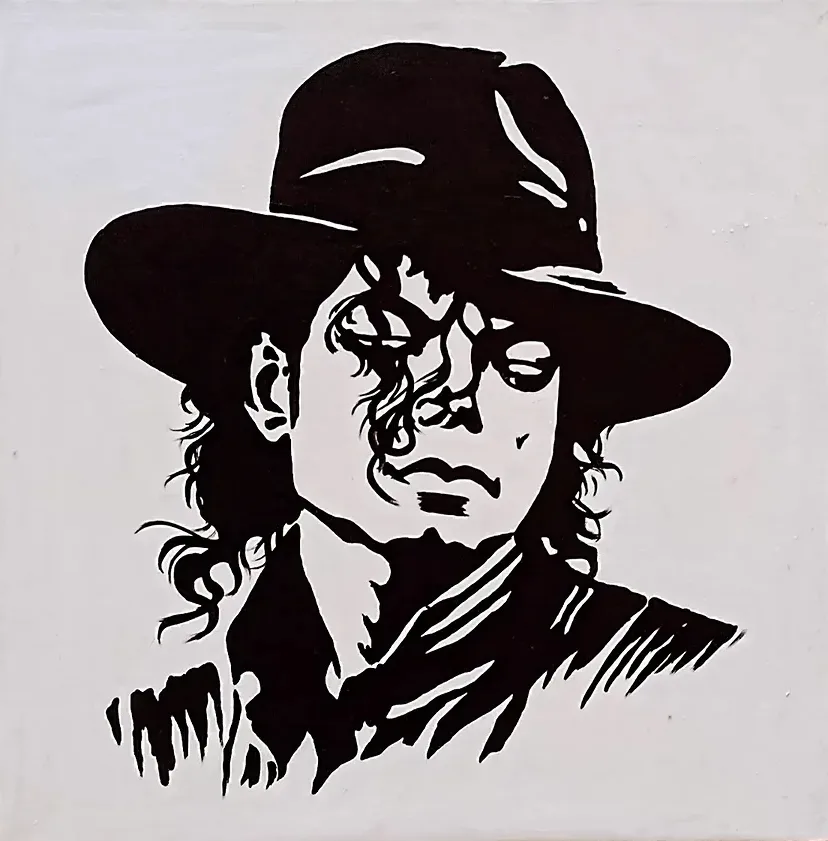
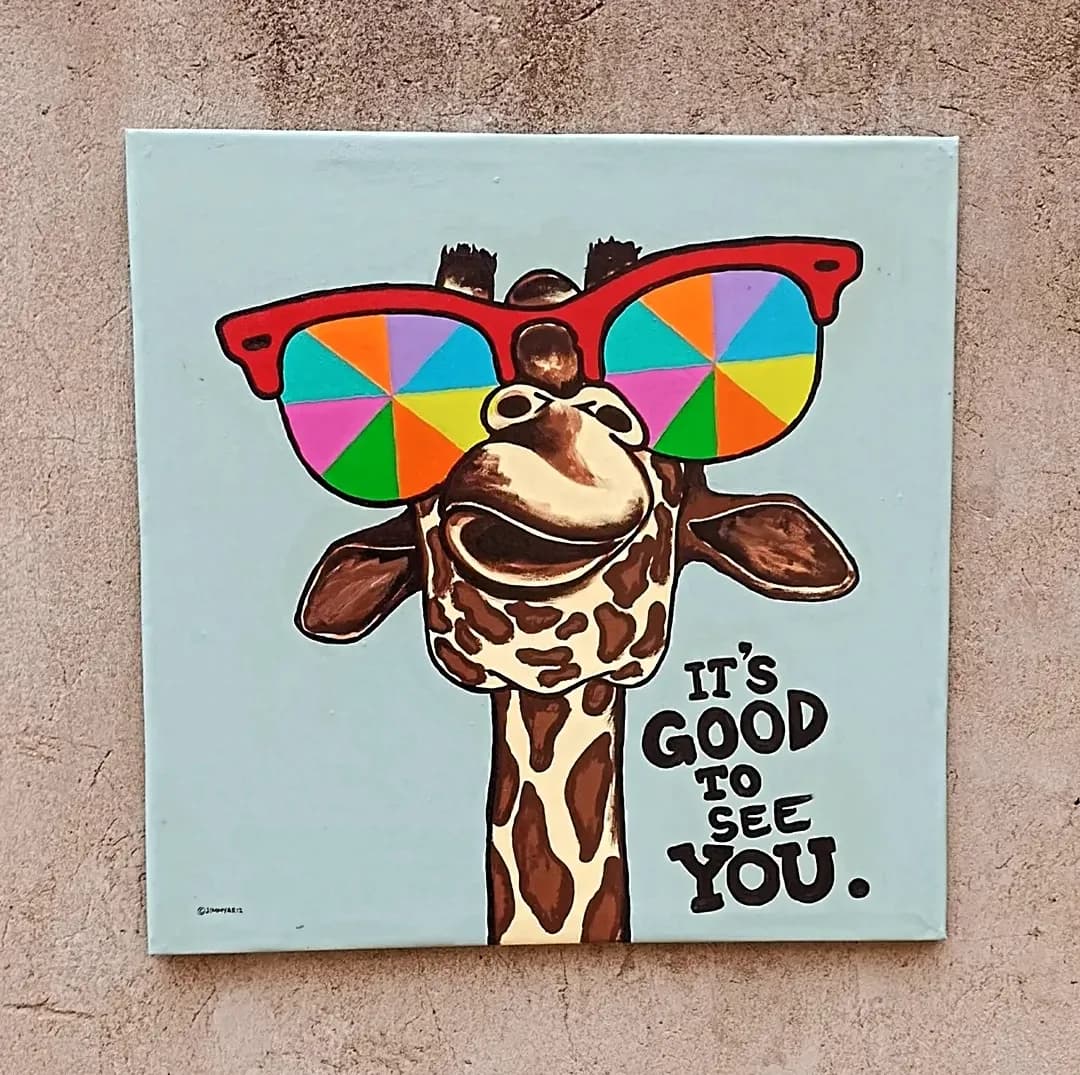
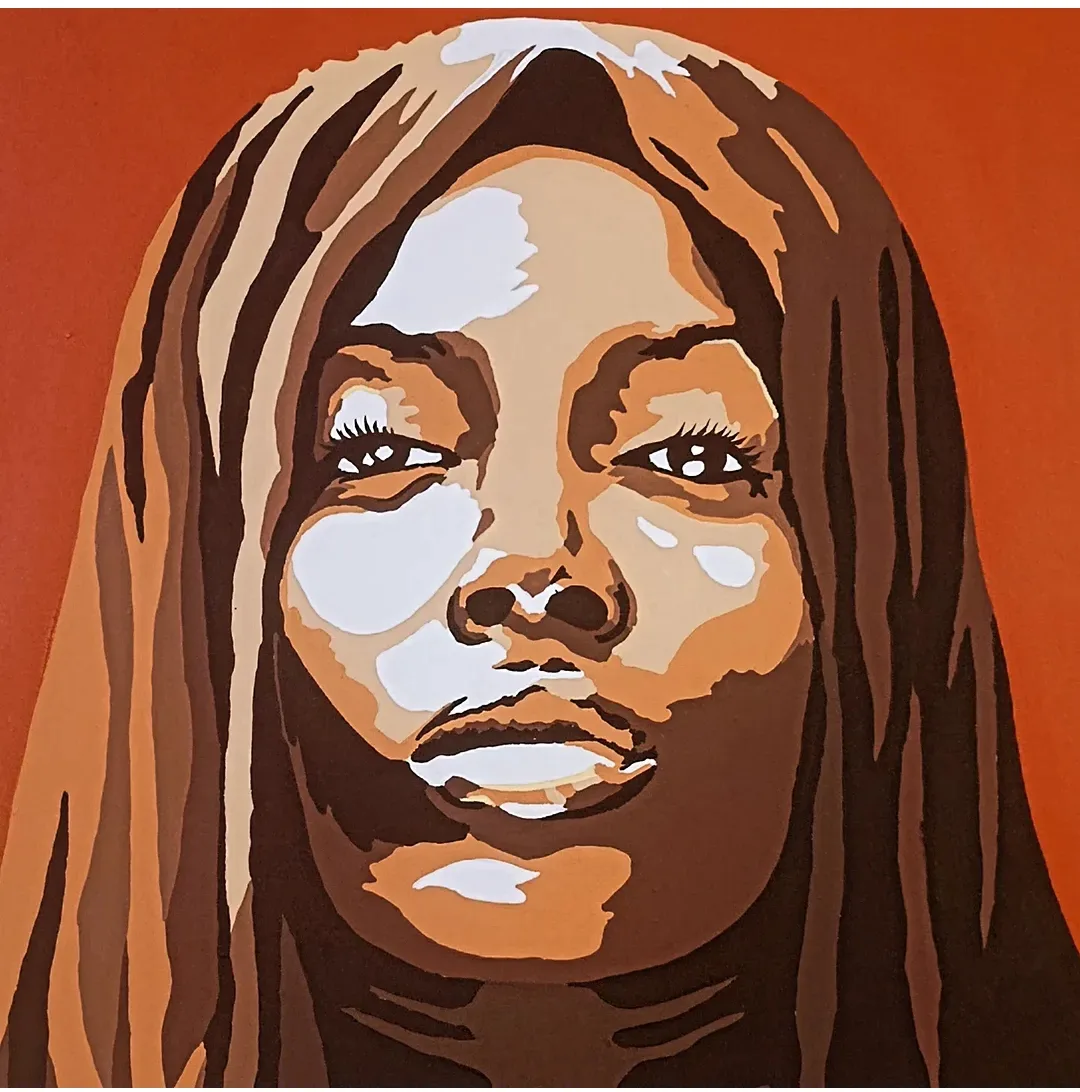
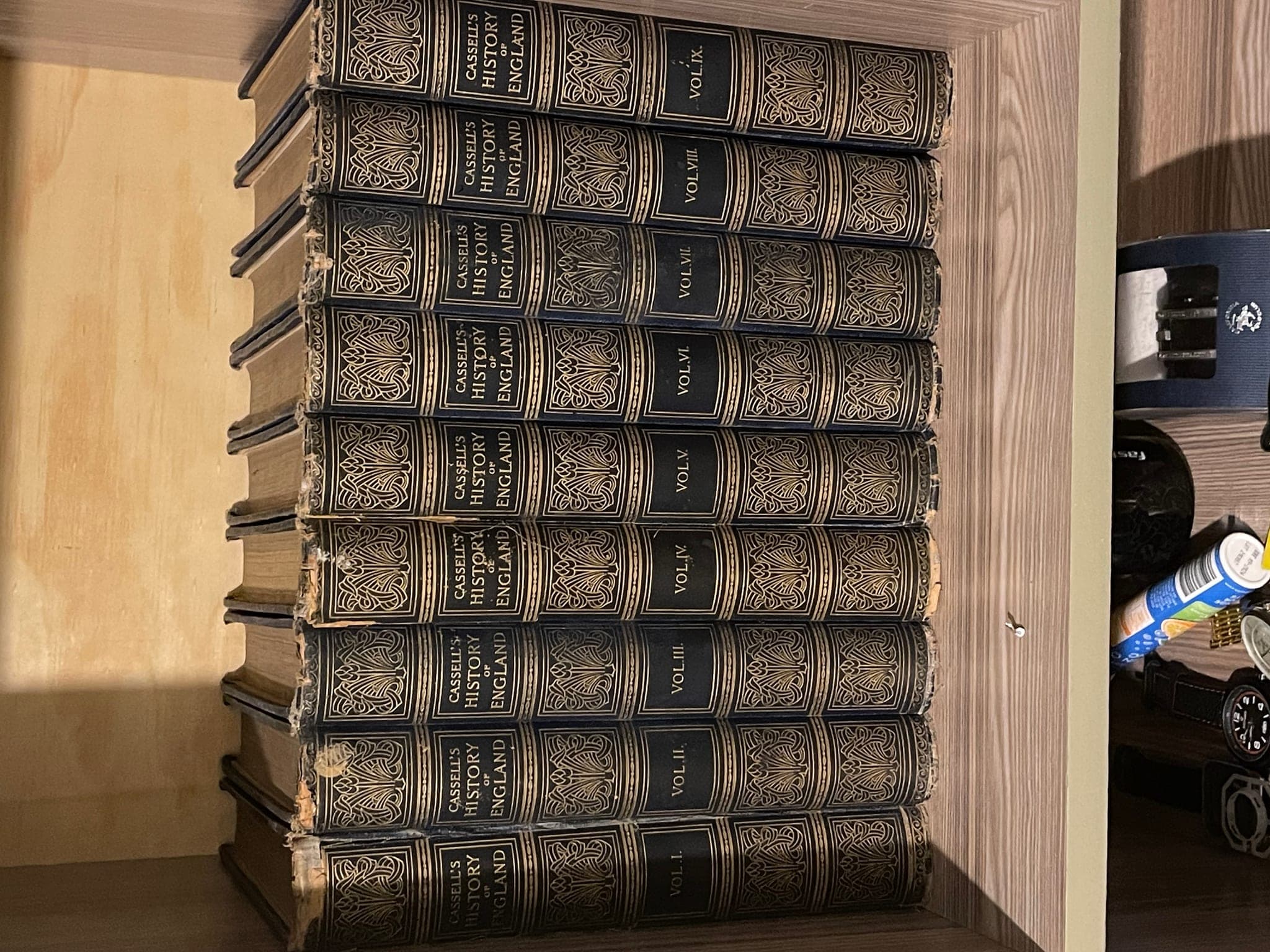
Buying art and collectibles second-hand in Kenya opens up original paintings, prints, photographs, carvings and older pieces that rarely reach a shop. Browse works and objects listed by people across Kenya, and judge each one on what the listing actually shows: the whole piece photographed square-on, the signature, the back of the canvas or the base, the frame and any damage. Ask for the dimensions, the medium or material and, where it matters, the artist or maker, and ask plainly whether a work is an original or a print. Provenance is worth asking about — where the piece came from, how long the seller has had it, and whether a receipt, certificate or gallery label survives — but treat claims about an artist, age or rarity as unproven until you can check them. For an expensive piece, a valuation from someone who knows the field is money well spent. View fragile items in person where you can, agree how they will be packed and carried, and message the seller through Juuhudi before arranging anything.
Common questions
- How can I tell an original painting from a print?
- Ask for a close photograph of the surface in side light: brushstrokes, raised paint and uneven texture point to an original, while a flat, even surface points to a print. A signed, numbered print is still a print, and the listing should say which it is.
- How is art or a collectible priced?
- There is no calculator estimate for art and collectibles, because value rests on the artist or maker, rarity, condition and provenance. Compare sales of similar works or objects, and get a valuation before paying a high price.
- What provenance should I ask for?
- Ask where the piece came from, how long the seller has owned it, and whether a receipt, certificate, gallery or exhibition label, or letter from the artist exists. Provenance you can check matters more than a story you cannot.
- How should a fragile piece be packed for collection?
- Cover the glass and protect the corners of framed work with card, wrap ceramics and carvings individually in bubble wrap or cloth, and keep them upright so nothing shifts. Agree with the seller who packs and carries it before you pay.
- What should I check before buying an antique or collectible?
- Look for maker's marks, signs of age that match the claimed date, and repairs such as glue lines, repainting or replaced parts. Ask the seller to disclose any restoration, and treat an unsupported claim about age or rarity with caution.